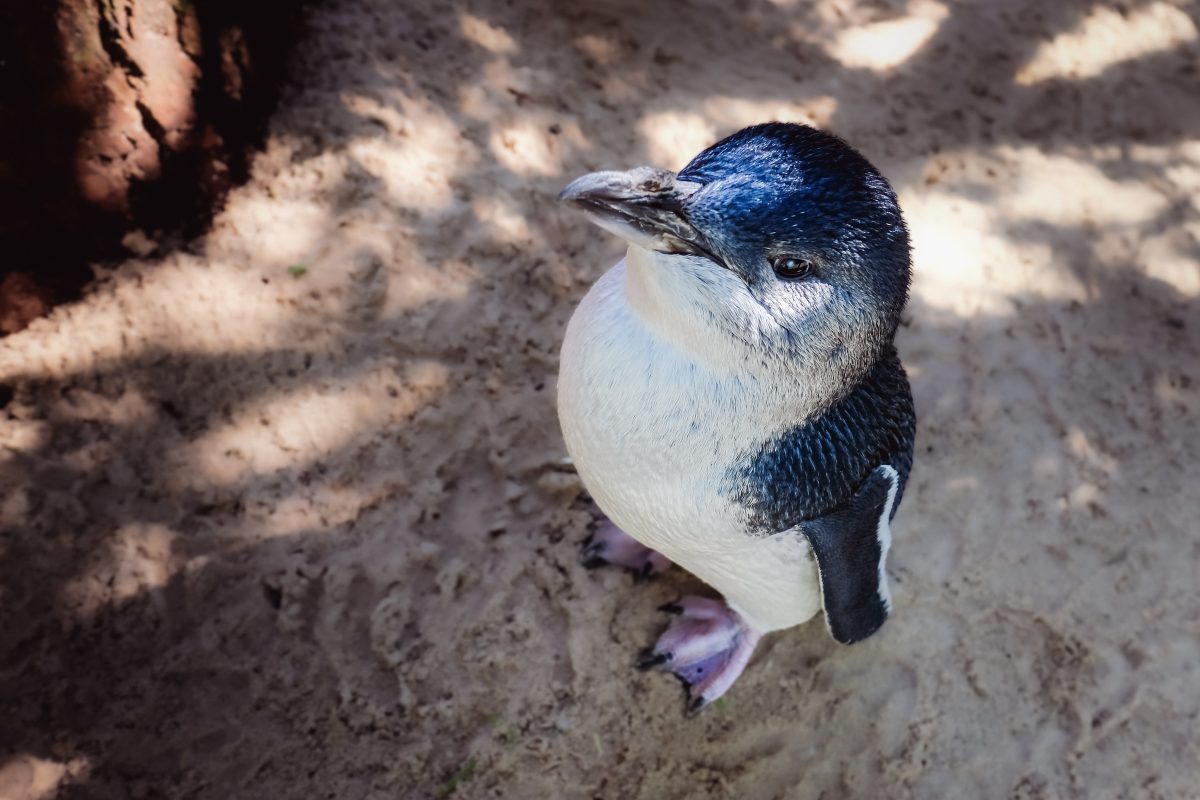
The little penguin population on Granite Island is continuing its slow recovery, with the latest census recording another encouraging boost in numbers.
Researchers and volunteers counted 46 adult penguins during this year’s island-wide census, up from 36 last year and 30 in 2024.
While the population remains a long way from the more than 1,000 birds once living on the island, the latest result has been welcomed by researchers.
The colony suffered a dramatic collapse in 2012, when numbers fell to just 26 birds, with the impact of the millennium drought and reduced freshwater flows to the penguins’ hunting grounds near the mouth of the Murray River among the contributing factors.
A fox attack in 2020 also pushed the population to its lowest point.
Flinders University Associate Professor Diane Colombelli-Negrel says the latest figures were exciting, with volunteers also finding signs of new birds and active breeding burrows.
The penguins have developed a longer breeding season in recent years, now breeding for up to nine months compared with around six-and-a-half months previously.
Researchers believe this could be an effort to raise two chicks in a season, although the reasons for the change are not yet fully understood.
Bird flu vaccination also on the cards
The encouraging census results come as South Australia prepares to vaccinate wild little penguins against H5 bird flu.
The State Government has received federal approval to begin the targeted vaccination program, but is waiting for the most suitable time based on the penguins’ breeding and moulting seasons.
Researchers say minimising stress on the colony, particularly as it attracts visitors to Granite Island, will also be important in supporting its continued recovery.
The latest census involved volunteers, National Parks and Wildlife officers, researchers and local residents searching across the island for penguins, chicks and signs of active burrows.